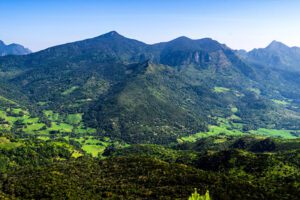
In a country brimming with golden beaches, lush tea estates, and bustling cities, it’s easy to forget that somewhere in the heart of Sri Lanka lies a different kind of wilderness—a place where the landscape feels ancient, the air tastes cleaner, and everything slows down. The Knuckles Mountain Range, tucked away just northeast of Kandy, is that place. For those seeking to disconnect, to camp beneath a sky full of stars and wake up wrapped in clouds, Knuckles offers one of the most intimate and untouched nature experiences the island has to offer.
Named for its resemblance to a clenched fist when viewed from certain angles, the Knuckles Range isn’t just visually striking—it’s ecologically extraordinary. Stretching across over 21,000 hectares, this UNESCO-listed conservation area is a biodiversity hotspot, home to hundreds of endemic plant and animal species. But beyond its scientific importance, what draws campers, hikers, and seekers of solitude here is the overwhelming sense of being somewhere unspoiled.
Getting to your campsite in Knuckles is part of the adventure. Many travelers begin their journey in Kandy, taking winding roads that eventually narrow into forest trails. Some of the most popular starting points include the villages of Meemure, Corbett’s Gap, and Deanston. Each offers a different gateway into the wilderness, and depending on where you begin, your hike could take you through pine forests, across rocky rivers, or up steep ascents flanked by dense jungle.
For those who aren’t experienced trekkers, guided camping tours are available and highly recommended. Local guides not only help with logistics and safety but also provide insight into the land—its myths, its flora and fauna, and the subtle rhythms of the forest that most visitors would otherwise miss.
Camping in Knuckles isn’t glamorous, and that’s precisely the point. You sleep in tents pitched on forest clearings or high-altitude ridges. There are no resorts, no Wi-Fi passwords, no creature comforts beyond what you carry in your pack. But what you gain in return is something rare: a night sky so densely packed with stars that it almost glows, the lullaby of wind rustling through leaves, and the occasional call of a loris echoing through the trees.
Days here begin early. The sunrise doesn’t so much rise as it slowly unveils itself, breaking through the mist that blankets the hills. Everything feels hushed, sacred even, as you sip a hot cup of plain tea and watch the world wake up around you. Meals are simple and hearty—rice and curry packed in banana leaves, roasted lentils, boiled yams, or fresh fruit picked from nearby trees. If you’re lucky, you might get to fry your dinner over a wood fire while trading stories with your guides under the light of a flickering flame.
Hygiene is rustic; most camping sites are without toilets or running water. But that, too, becomes part of the rhythm of life in Knuckles—one that teaches you to move more slowly, more mindfully, more in tune with nature.
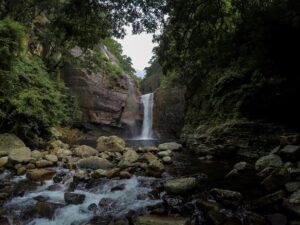
One of the biggest draws for campers in the Knuckles is the variety of trekking options available. Whether you’re up for a light morning hike or a full-day expedition, there’s a trail to match your mood. The Dothalugala Trail, for example, leads through dense forest to one of the best viewpoints in the range. The Mini World’s End trail near Deanston offers sweeping views over the plains below, while the trek to Kalupahana Waterfall provides the perfect reward at the end of a humid uphill climb—a dip in a natural pool surrounded by nothing but silence and forest.
Wildlife sightings are common. You might come across purple-faced langurs leaping from tree to tree, or the shy barking deer dashing into the undergrowth. Birdwatchers will be thrilled by the sheer variety—from Sri Lanka’s junglefowl and Layard’s parakeets to elusive owls hiding in the canopy. And if you look closely underfoot, you’ll spot rare amphibians and insects that exist nowhere else in the world.
Camping in Knuckles is not just a communion with nature—it’s also a step into a quieter way of life. Many trekking routes pass by remote villages like Meemure, where people still live according to ancient traditions, farming their land and respecting the rhythms of the seasons. Some camping packages include a village stay or meals prepared by locals, offering a glimpse into a lifestyle that feels both refreshingly simple and deeply connected to the earth.
There’s also a spiritual undercurrent that runs through the hills. The Knuckles Range is dotted with caves that were once used by Buddhist monks for meditation, and the locals still speak of ancient legends tied to the mountains. It’s not hard to see why. Something about the stillness here feels sacred—like the forest itself is watching, remembering, waiting.
Knuckles camping is best done during the drier months, typically from June to September or December to February, to avoid leeches and slippery trails. Always travel with a guide if you’re unfamiliar with the area, as weather patterns can shift suddenly, and mobile signals are weak at best. Pack light but smart—sturdy shoes, warm clothes, insect repellent, and a sense of adventure are essential.
And most importantly, leave no trace. The Knuckles Range remains as pristine as it is because those who venture into it respect its fragility. Carry out what you carry in, avoid loud noises or music, and give nature the reverence it deserves.
Knuckles isn’t for everyone. It doesn’t cater to convenience or indulgence. But for those who crave quiet and authenticity, who find peace in being small beneath towering trees, and who feel more at home under a blanket of stars than a ceiling, camping here is unforgettable. It’s not a place you just visit—it’s a place that stays with you.